1. Introduction: The Need for Speed and the Law
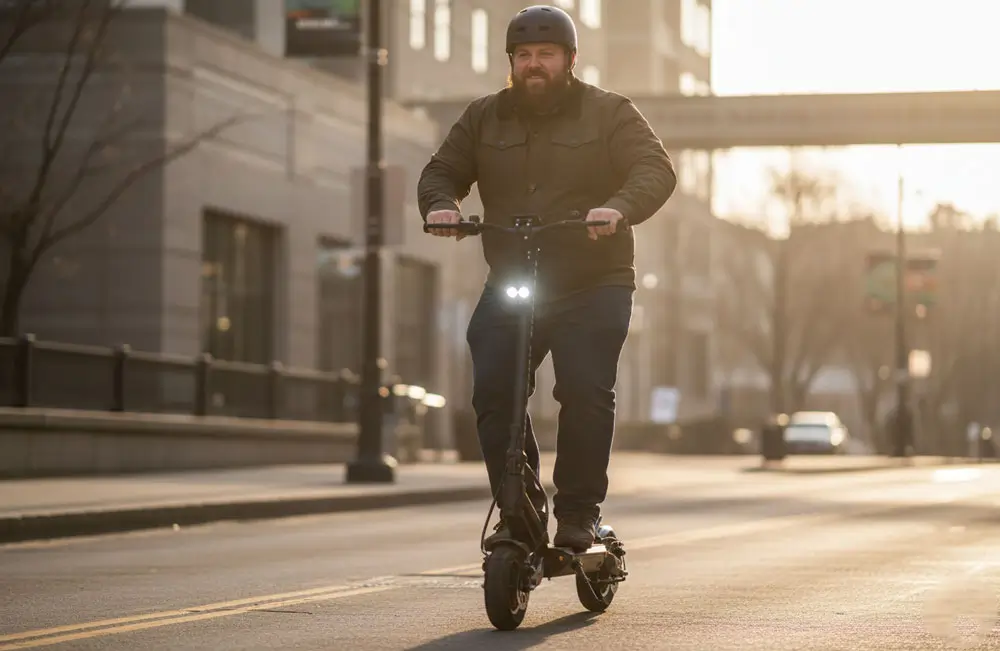
High-speed electric scooters represent the pinnacle of personal mobility, offering unparalleled performance and a thrilling ride. But with great power comes great responsibility—and complex legal questions. Many of our readers ask: “Is my 60 mph scooter even street legal?” and “What laws do I need to follow?” The short answer is: it depends entirely on where you live.
The legal landscape for high-speed electric scooters is a fragmented and constantly evolving patchwork of laws. Unlike bicycles or standard cars, these powerful machines often fall into a legal gray area, with regulations varying dramatically not just by country, but by state, city, and even county.
This comprehensive guide is designed to help you navigate this complexity. We’ll break down the key regulations you need to know in the United States and Europe, highlighting what to look out for and how to ride legally and safely.
Important Disclaimer: This article is for informational purposes only and does not constitute legal advice. Laws can change, and interpretations vary. You are responsible for knowing and following your local regulations. Always verify information with your local Department of Motor Vehicles (DMV) or transportation authority.
For more on the technology that makes these scooters so fast, check out our guide on What Makes an E-Scooter Powerful?.
2. The Legal Definition of a “High-Speed” Scooter
Before diving into regional laws, it’s crucial to understand how authorities legally define a “high-speed” scooter. The primary factors they consider are:
- Top Speed: This is the most common and critical metric. Most laws define an e-scooter as a vehicle with a maximum speed of 20 mph (US) or 25 km/h (EU). Anything above these limits is often reclassified as a moped, motorized vehicle, or even a motorcycle.
- Motor Power (Wattage): Some jurisdictions impose a wattage limit (e.g., 750W in some US states) to distinguish between low-speed recreational scooters and high-performance machines.
- Weight: The weight of the scooter can also be a factor, with some laws setting a weight limit to define a scooter vs. a vehicle.
Once a scooter exceeds these limits, it may be subject to a completely different set of rules, often requiring a driver’s license, vehicle registration, and insurance.
3. The Legal Landscape in the United States
The U.S. has no federal law governing electric scooters, so the rules are set at the state and local levels. This results in a confusing mix of regulations.
Common State Classifications & Requirements:
- Classification: Many states categorize e-scooters as “low-speed motorized scooters,” typically with a speed limit of 20 mph.
- Where to Ride: In most states, scooters are permitted on bike paths and roads with speed limits below 30-35 mph. Riding on sidewalks is almost always prohibited.
- Licensing & Registration: A standard e-scooter typically doesn’t require a driver’s license or registration. However, a high-speed scooter that exceeds the state’s legal limits may fall into the moped or motorcycle category, which would then require a license, registration, and potentially a helmet.
Regional Examples & Key Considerations:
- California: California’s Vehicle Code is one of the most comprehensive. It sets a 15 mph speed limit for e-scooters on bike paths and a maximum speed of 20 mph in most other areas. Riding a scooter that can go faster than 20 mph may be considered illegal on public roads. You can review California’s scooter laws here.
- New York: New York State has specific laws for e-scooters, allowing them on streets with a speed limit up to 30 mph, with a maximum speed of 15-20 mph.
- Texas: Texas defines a “motor-assisted scooter” with a speed limit of 20 mph. Riding a scooter that exceeds this speed could be treated as a violation of traffic laws.
The bottom line for the U.S. is that if your scooter’s top speed exceeds your state’s legal definition, you are likely riding an unregistered and uninsured vehicle, which could result in fines, confiscation, and even legal action.
4. The Legal Landscape in Europe
European countries have a more consistent legal framework thanks to EU-wide guidelines, but each nation has implemented its own specific variations.
The General EU Framework:
- Most EU countries classify e-scooters as Personal Light Electric Vehicles (PLEVs).
- The standard speed limit for a PLEV is 25 km/h (approximately 15.5 mph). Going faster than this typically requires the scooter to be treated as a moped or motorcycle.
- The EU’s L1e-A classification, for example, is for low-power motorized vehicles, which includes scooters that stay within specific speed and power limits.
Country-Specific Examples & Regulations:
- Germany: Germany is one of the most strict. All e-scooters must adhere to a strict 20 km/h (12.4 mph) limit and require a special insurance sticker (Versicherungsplakette) to be ridden on public roads. Riding a high-speed scooter is illegal on public land.
- France: France has a 25 km/h speed limit. Scooters with a speed exceeding this are not permitted on public roads.
- United Kingdom: The UK has some of the most restrictive e-scooter laws. As of 2024, it remains largely illegal to ride a privately-owned e-scooter on public roads, cycle lanes, or sidewalks. The only legal option is to use a rental scooter in one of the government-sanctioned trial areas. The UK Department for Transport provides clear guidance on these ongoing trials.
The key takeaway for Europe is that while the laws are more consistent, they are often stricter. If you own a scooter that can go faster than 25 km/h, you are likely limited to riding it on private property.
5. Practical Tips for High-Speed Scooter Owners
If you own a high-speed scooter, you need to be smart and responsible. Here are some essential tips:
- Know Your Scooter’s “Legal Mode”: Many high-power scooters, like those from Teverun, have a “legal mode” that electronically limits the top speed to comply with local laws. Use this mode whenever you are on public roads.
- Invest in Top-Tier Safety Gear: At high speeds, a fall can be catastrophic. Always wear a full-face helmet that is certified for motorcycle use, along with pads and protective clothing. Check out our guide on Essential Safety Gear for High-Speed Scooters for a full breakdown.
- Research Specific Local Laws: Don’t rely on general state or country laws alone. Check the municipal regulations for the specific city or town where you plan to ride, as they may have their own ordinances regarding scooter speed and use.
- Consider Insurance: While insurance isn’t always legally required, it’s a wise investment to protect yourself and others in case of an accident.
6. Conclusion: Ride Smart, Ride Safe
The immense power and speed of high-performance electric scooters come with a serious responsibility. While these machines can offer an exhilarating and efficient way to travel, it’s critical to understand and follow the laws. A powerful scooter becomes a legal liability if you’re not riding it within the bounds of your local regulations.
By doing your research, using a scooter’s “legal mode” on public roads, and always prioritizing safety, you can enjoy the incredible experience of a high-speed scooter without putting yourself or others at risk. Remember, the safest way to enjoy your scooter is to ride within the law.