1. Introduction: The Thrill and the Responsibility
The power and speed of a 60+ mph electric scooter are unlike anything else in personal mobility. The feeling of explosive acceleration and effortless speed is exhilarating. But with this incredible power comes a critical responsibility: ensuring your safety.
A high-speed electric scooter is not a toy. It is a powerful vehicle, and operating it safely requires a proactive approach to both your gear and your machine’s setup. Many of the laws governing these scooters exist to protect riders from the inherent risks of high-speed travel. Your life—and the lives of others—depends on being prepared.
This comprehensive guide will walk you through the non-negotiable gear and essential setup checks required to ride a high-performance scooter safely.
For a deeper understanding of the laws that regulate these machines, read our guide on High-Speed Scooter Laws: US & Europe Guide.
2. Non-Negotiable Gear: The First Line of Defense
Your gear is your first and most important line of defense against injury. It’s not about looking the part; it’s about protecting yourself from the consequences of a fall at high speeds.
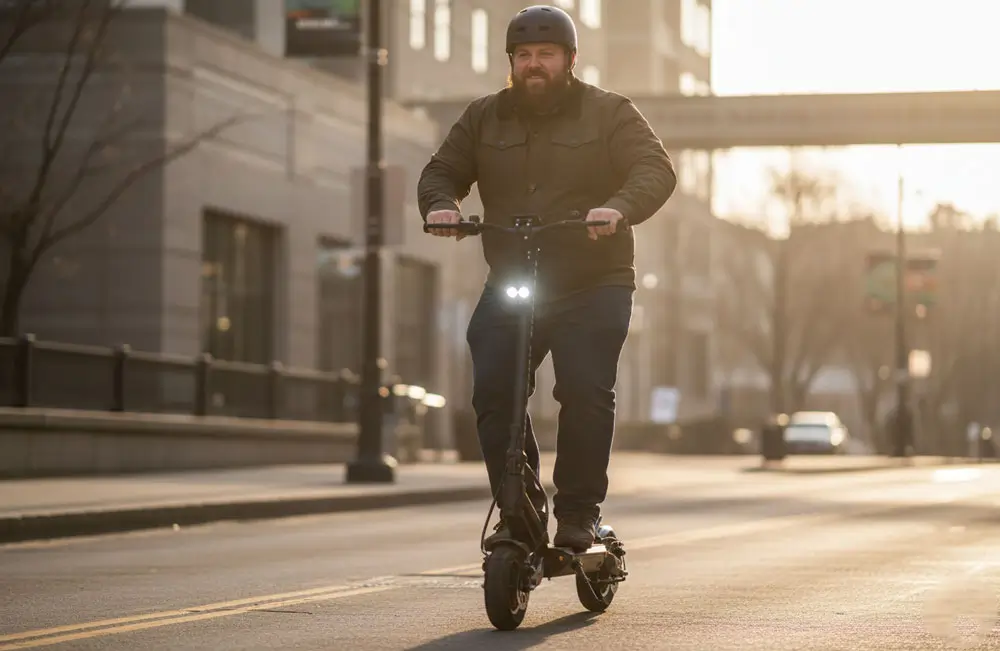
- The Helmet: This is the single most important piece of safety gear you can own. A standard bicycle helmet is not enough. You need a full-face motorcycle helmet. Motorcycle helmets are designed and certified to withstand impacts at much higher speeds, protecting your head, face, and chin. Look for helmets certified by reputable organizations like the U.S. Department of Transportation (DOT) or the Economic Commission for Europe (ECE).
- Protective Jacket: A simple windbreaker will not protect you. A proper riding jacket made from abrasion-resistant materials like leather or high-denier textile (e.g., Cordura) is essential. A good jacket will also include armor at the shoulders, elbows, and back to protect you in a slide or fall.
- Padded Pants: Just like a jacket, your pants should be made of durable, protective material. Riding pants often include knee and hip pads for impact protection.
- Riding Gloves: A reflex action during a fall is to put your hands out. Padded riding gloves protect your palms and knuckles from abrasion and impact.
- Riding Boots: Your feet are vulnerable. Sturdy, over-the-ankle riding boots provide crucial ankle support and impact protection.
According to a study from the NHTSA, helmets are highly effective in preventing and reducing head injuries and fatalities in crashes. For a rider on a 60+ mph scooter, the same principle applies.
3. The Pre-Ride Safety Check: A Routine You Can’t Skip
Before every ride, you must perform a quick but thorough safety check of your scooter. This ensures that every component is in perfect working order, preventing mechanical failure at a critical moment.
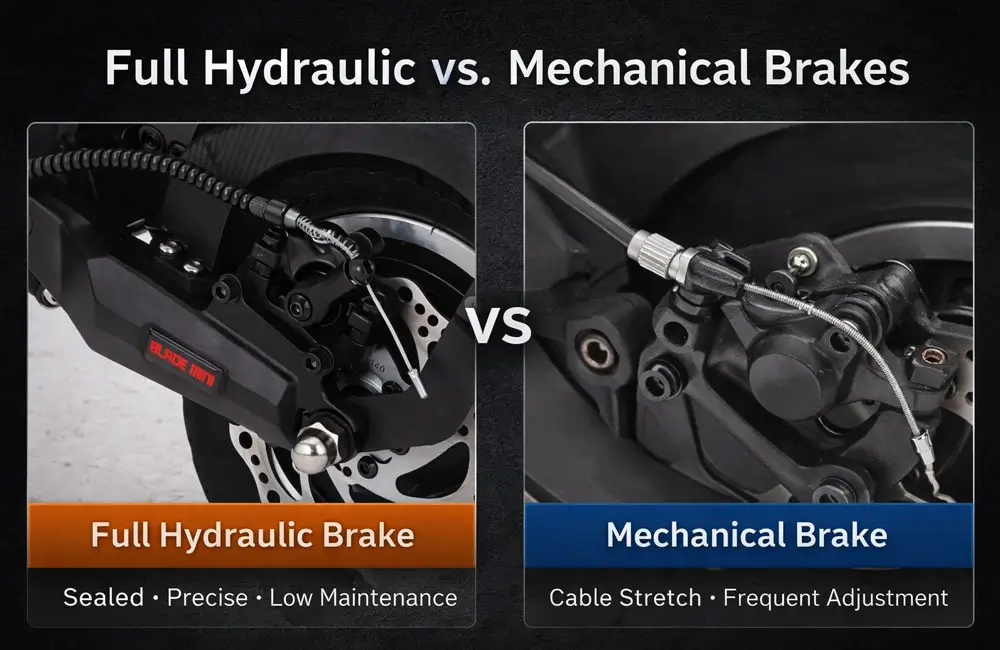
- Brakes: Test both your front and rear brakes before you even get on the scooter. Squeeze the levers to check for responsiveness and firmness. A spongy feel could indicate a problem with your hydraulic system. For more on this, see our guide to hydraulic brakes.
- Tire Pressure: Proper tire pressure is crucial for stability, control, and range. At high speeds, underinflated tires can cause a “speed wobble” or a blowout. Over-inflated tires can lead to a harsh ride and reduced traction. Check your tire pressure before every ride. Our guide on What Affects E-Scooter Range? covers the importance of this simple check.
- Steering & Suspension: The handlebars should feel firm and not wobble. Your steering should be smooth and predictable. Gently push down on the scooter’s suspension to ensure it rebounds smoothly without any strange noises or sagging.
- Lights & Display: Check your headlights, tail lights, and turn signals to ensure they are all working. Your display should be clear and functioning properly.
4. The Scooter’s Setup: Engineered for Speed
A high-performance scooter needs to be set up correctly to handle high speeds. A well-tuned machine is a safe machine.
- Hydraulic Suspension: If your scooter has adjustable hydraulic or air suspension, take the time to tune it to your weight and riding style. Proper tuning prevents the suspension from bottoming out and ensures a smooth, stable ride.
- Steering Damper: A steering damper is a non-negotiable safety feature for any scooter exceeding 40 mph. It prevents the dangerous oscillation of the front wheel at high speeds. Ensure your damper is properly installed and adjusted to provide the right amount of resistance.
- Throttle Response: High-end scooters often have multiple riding modes (e.g., Eco, Turbo). On public roads, use a lower-powered mode to maintain legal speeds and more manageable acceleration. For a full breakdown of the components that create power, read our guide on What Makes an E-Scooter Powerful?.
5. Beyond the Machine: The Rider’s Mindset
Safety isn’t just about the scooter; it’s about the rider. At high speeds, your focus and awareness must be at their peak.
- Ride Defensively: Assume that drivers and pedestrians do not see you. Ride defensively, anticipate potential hazards, and be prepared to react.
- Know Your Limits: Never ride at a speed that makes you feel uncomfortable or out of control. It’s okay to slow down. Ride within your skill level.
- Choose the Right Environment: High-speed scooters are not meant for crowded sidewalks or bike lanes. Use them on roads where their speed is appropriate and legal.
6. Conclusion: Safety is Not an Option
A high-speed electric scooter is a tool for immense freedom and power, but it is a tool that must be respected. By making a commitment to wearing the right gear and ensuring your scooter is properly set up, you are taking personal responsibility for your safety and the safety of those around you.
Don’t let the thrill of speed blind you to the importance of preparation. Explore our lineup of Teverun scooters, all of which are engineered with top-tier safety features. We build the machines for performance, but it’s up to you to ride them with care.